
[Rukatunturi] From Australia’s warmth to Finland’s winter, Ashton Salwan delivered a strong finish at the Ruka FIS Freestyle World Cup — launching his Olympic qualification season.
The Real Test: Snow
Returning to snow in mid-November 2025 after months of triple-focused water training brought a different kind of challenge for Ashton Salwan. Performing World Cup-level triples demands amplitude and aggression. Doubles, by contrast, require restraint — precision, efficiency, and timing under pressure. At this level of international competition, there is no room to force either.
The transition wasn’t immediate. Some sessions clicked. Others resisted.
Ruka became a proving ground not just for technique, but for patience — learning when to push, when to settle, and when to trust that progress is often felt internally before it becomes visible externally.
"The tough days in Ruka were actually what helped me settle in. Once I stopped fighting the timing and trusted myself, everything started to click."
— Ashton Salwan
Those early days back on snow required Ashton to recalibrate. To stop fighting timing. To lean into fundamentals. And to remember that the hardest stretches of a season often arrive just before clarity does.
FIS Ski World Cup Tour 2025/26
- Dual Role: 2026 Olympic Qualifier
- Discipline: Freestyle Aerials (Men)
- Date: December 6, 2025
- Location: Kuusamo, Finland
- Venue: Ruka Ski Resort
- Format: Individual Competition
When the Foundation Held
On December 6, the work showed up when it mattered.
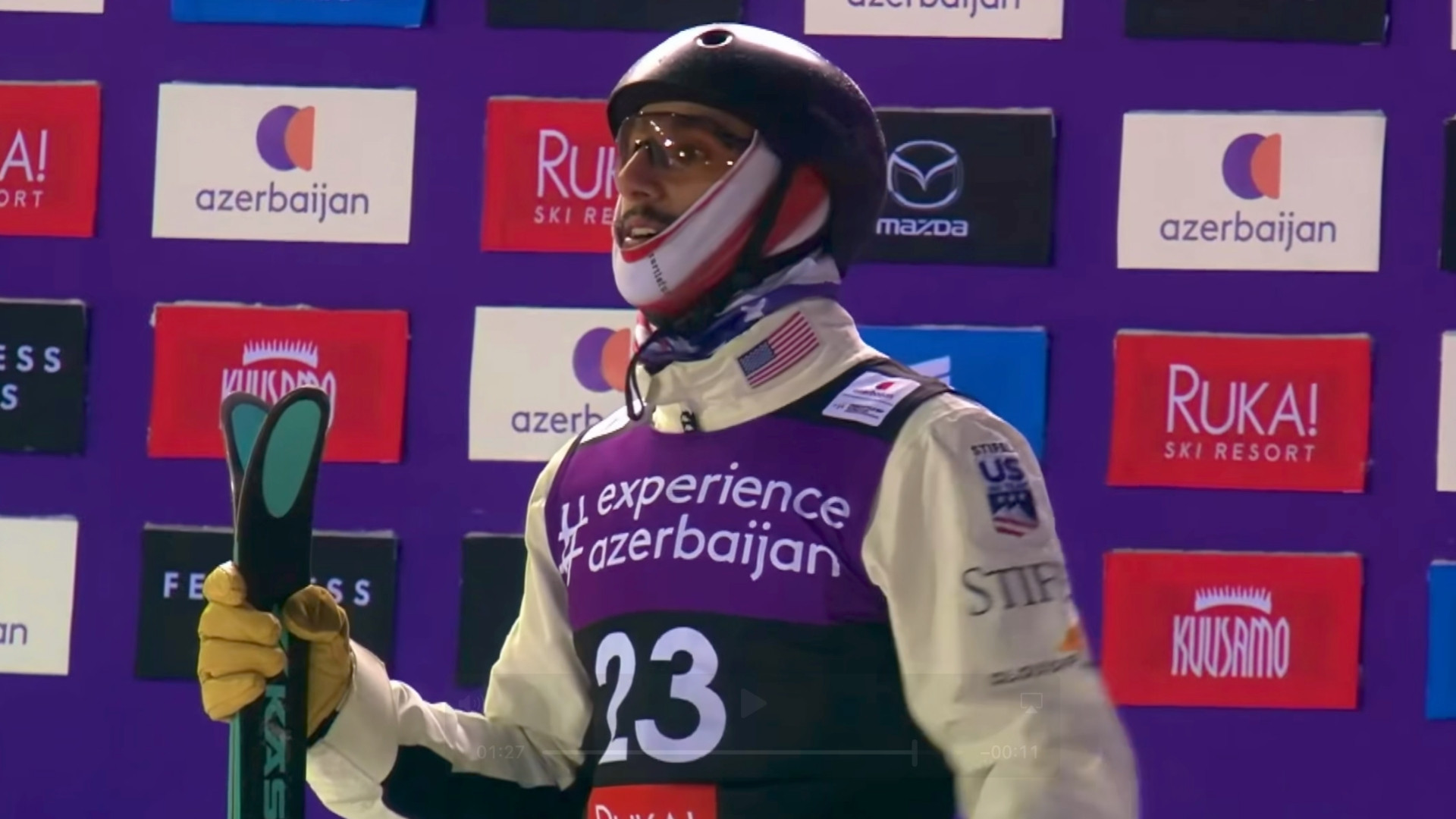
At the opening World Cup of the 2025/26 season — and Ashton’s first as an official member of the U.S. Ski Team — he delivered a composed, controlled performance in a deep international field. The result: highest jump score of 98.41, 13th overall and 4th among the U.S. men.
On paper, it was a solid start. In reality, it was something more important.
This performance marked the first confirmation that the foundation held under pressure — that months of preparation across hemispheres, technical refinement, and mental recalibration required by early-season snow translated when the margins tightened.
"A solid start, but it’s just the beginning.
I know where I’m trending, and I’m focused on what’s next.”
— Ashton Salwan
Ruka didn’t announce a finished product. It confirmed a trajectory: The groundwork mattered. The discipline mattered. And the ability to execute without forcing the moment mattered.
SEE IT IN MOTION: Watch the companion film HERE