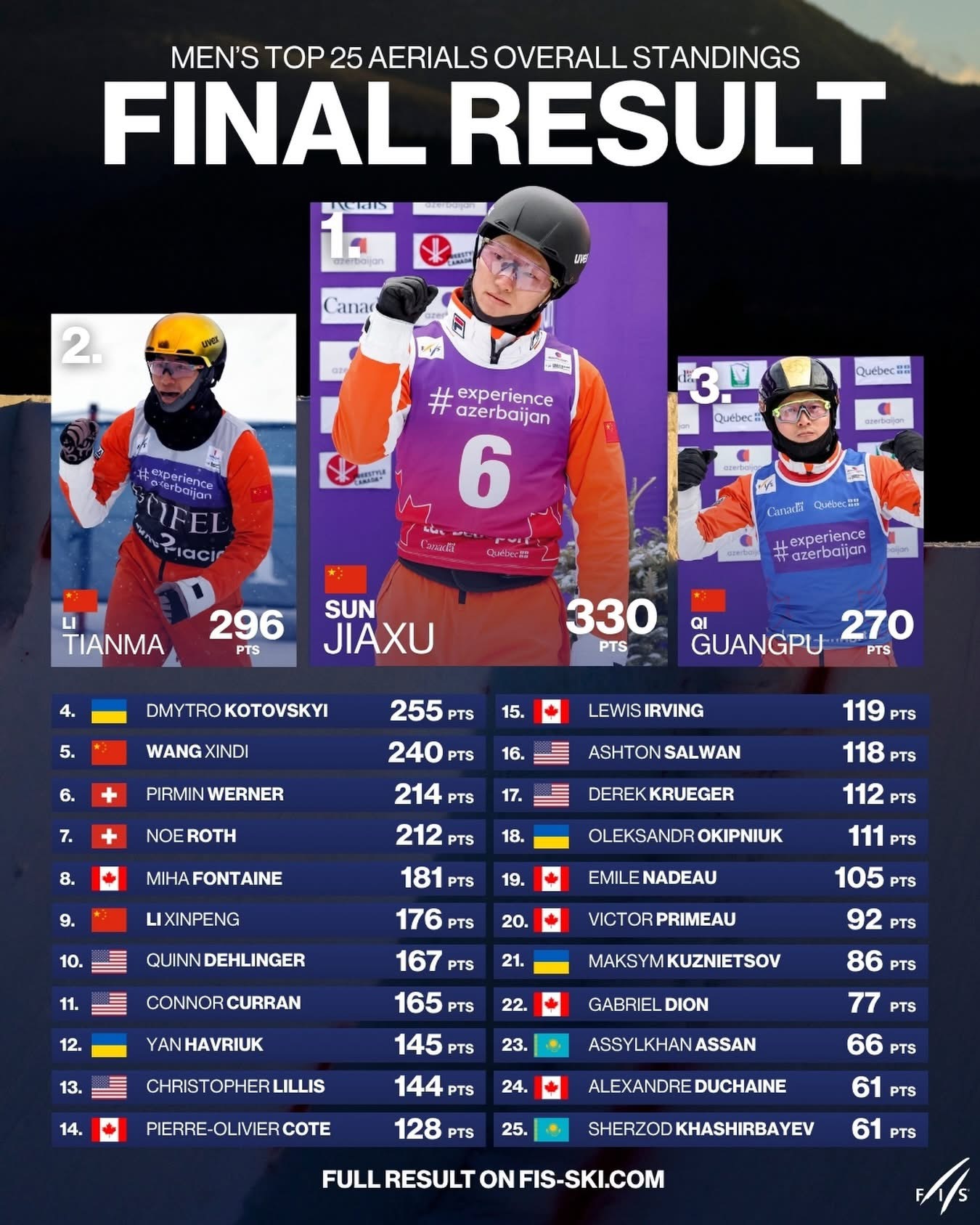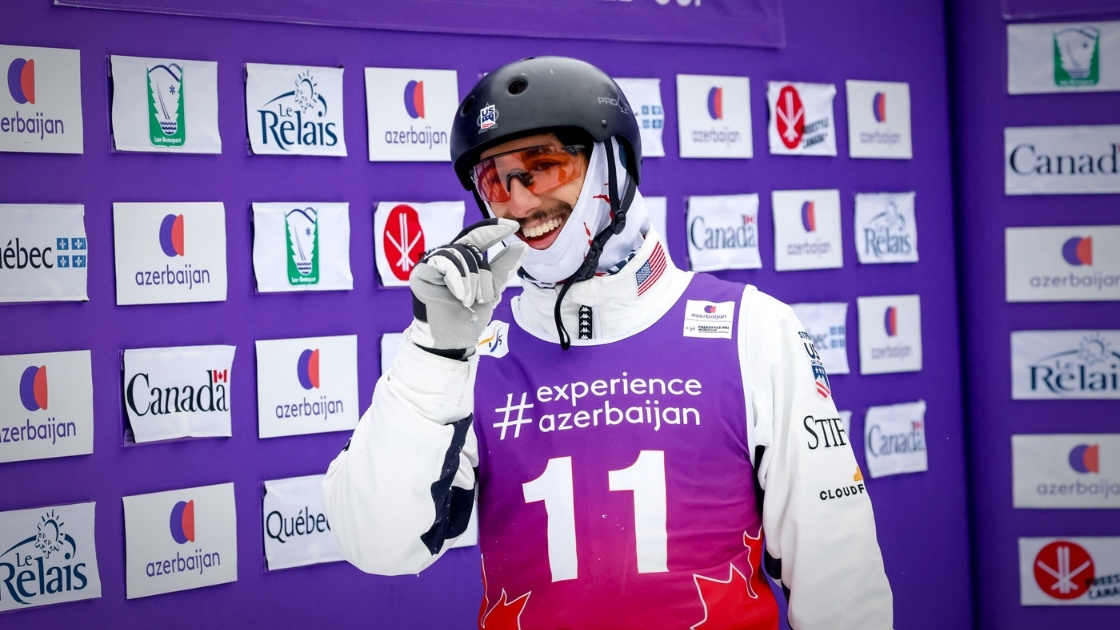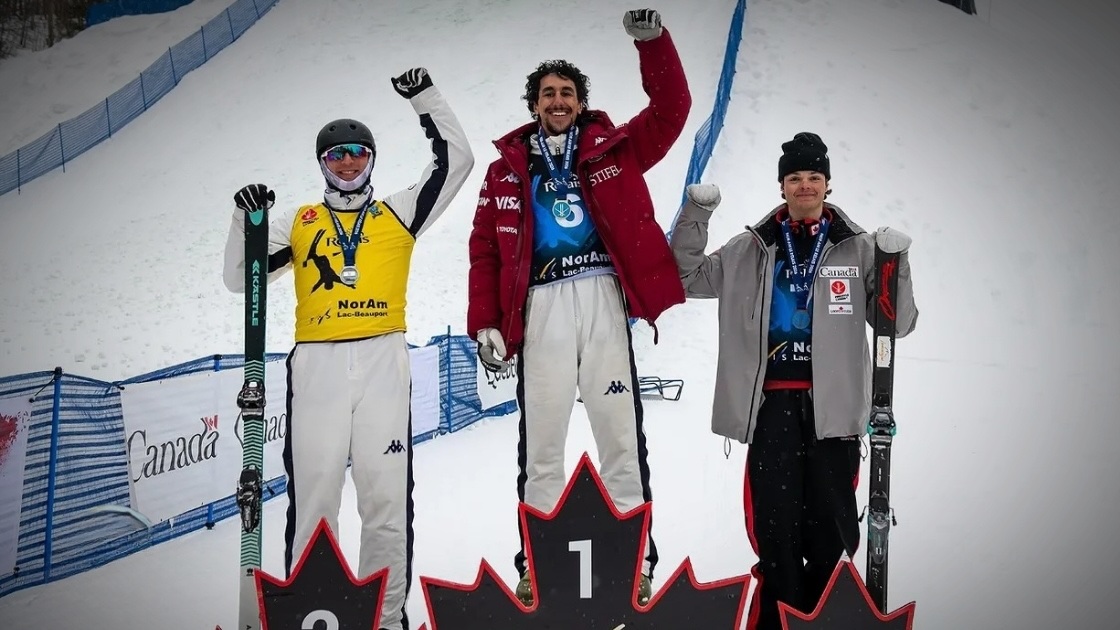

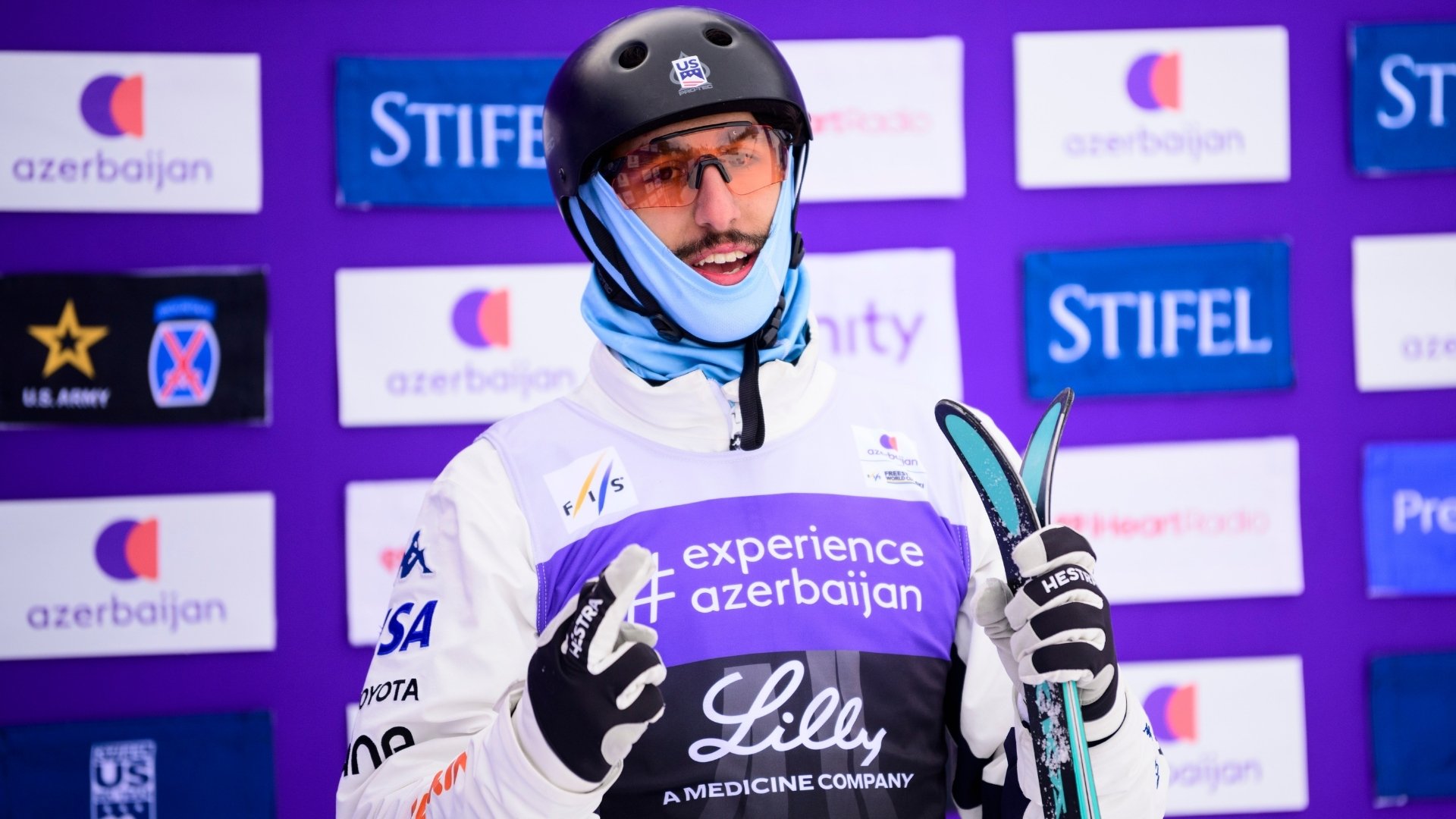
[NY Olympic Jumping Complex] The final stop of the 2025–26 FIS World Cup season brought Ashton Salwan to Lake Placid, New York where two Olympic qualification events tested execution within narrow, tightly judged margins.
Where Familiarity Is Tested
Some venues reward familiarity. Others expose it.
Lake Placid, New York sits firmly in the latter category. As the concluding stop on the 2025/26 FIS World Cup calendar, the return to home snow arrived with compressed preparation and a field operating inside elite international margins. Familiar terrain did not soften the demands — it sharpened them.
With only days separating the Canadian World Cup from Lake Placid, the season offered no reset. Just another requirement to arrive, adapt, and execute.
Familiarity does not reduce difficulty. It simply clarifies what’s required.
Two Days, One Venue
The Lake Placid World Cup followed a familiar structure similar to Lac-Beauport, Canada: two individual competitions on consecutive days at one location — in this case, the Olympic Jumping Complex. No travel reset. No margin for recalibration.
As the season reached its final stretch, the stop became less about peak performance and more about execution under constraint — returning to the same hill, reading the same conditions, and managing volatility across back-to-back competition days.
It was a format that rewarded precision — and punished deviation.
Preparation Under Disruption
Preparation into Lake Placid was shaped by weather volatility. Friday’s official training was canceled due to rain and high winds, compressing on-hill time and limiting early rhythm building.
Conditions stabilized on Saturday, allowing for a productive practice session and a reset in timing ahead of competition. Despite overnight variability returning, Sunday morning training proceeded, with Ashton landing all scheduled jumps and entering qualification prepared.
In an end-of-season World Cup, adaptability becomes part of execution.
FIS Ski World Cup Tour 2025/26
- Dual Role: 2026 Olympic Qualifier
- Discipline: Freestyle Aerials
- Dates: January 11–12, 2026
- Location: Lake Placid, New York, USA
- Venue: Olympic Jumping Complex
- Format: Two Individual World Cup competitions
Day 1: When the Window Narrowed
Ashton opened the Lake Placid weekend with a disciplined approach to qualification. Selecting a bFFF, the focus remained on execution and consistency within a deep, tightly judged field.
The jump had been executed successfully in training and competition practice earlier in the day. In qualification, however, the competition attempt did not come together as intended, ending advancement on Day 1.
With preparation compressed and judging margins narrow, the opening competition reflected the realities of World Cup skiing: familiarity does not buffer against consequence, and limited opportunities amplify small differences. There was no opportunity to recover ground.
Day 2: Holding the Standard
Monday presented a reset opportunity, with slightly improved weather conditions and another tightly packed field contending for advancement.
In qualification, Ashton delivered a clean, well-executed competition jump, scoring 93.55 — a composed performance that reflected control, technical precision, and the ability to respond under pressure.
Despite the quality of the jump, the depth of the field and compressed scoring bands meant Ashton's 17th place performance remained outside the cutoff for finals advancement. Separation across the field again came down to fine technical distinctions rather than visible error.
In fields this compressed, advancement is often determined by details that don’t always read as error.
“Clean execution is the baseline at this level. Narrow margins are what ultimately separate the field.”
— Ashton Salwan
Closing the 2025/26 World Cup Season
Lake Placid marked the final Freestyle Aerials 2026 Olympic qualifying stop and a season defined by progression inside increasingly competitive international fields. Across the FIS World Cup calendar, Ashton earned his starts, managed pressure, and operated within the margins required at the highest level.
This World Cup season was not defined by a single jump. It was shaped by accumulated experience — carried forward into the next phase of Ashton's career.
SEE IT IN MOTION: Watch the companion film HERE